Understanding Artificial Turf Pricing Basics
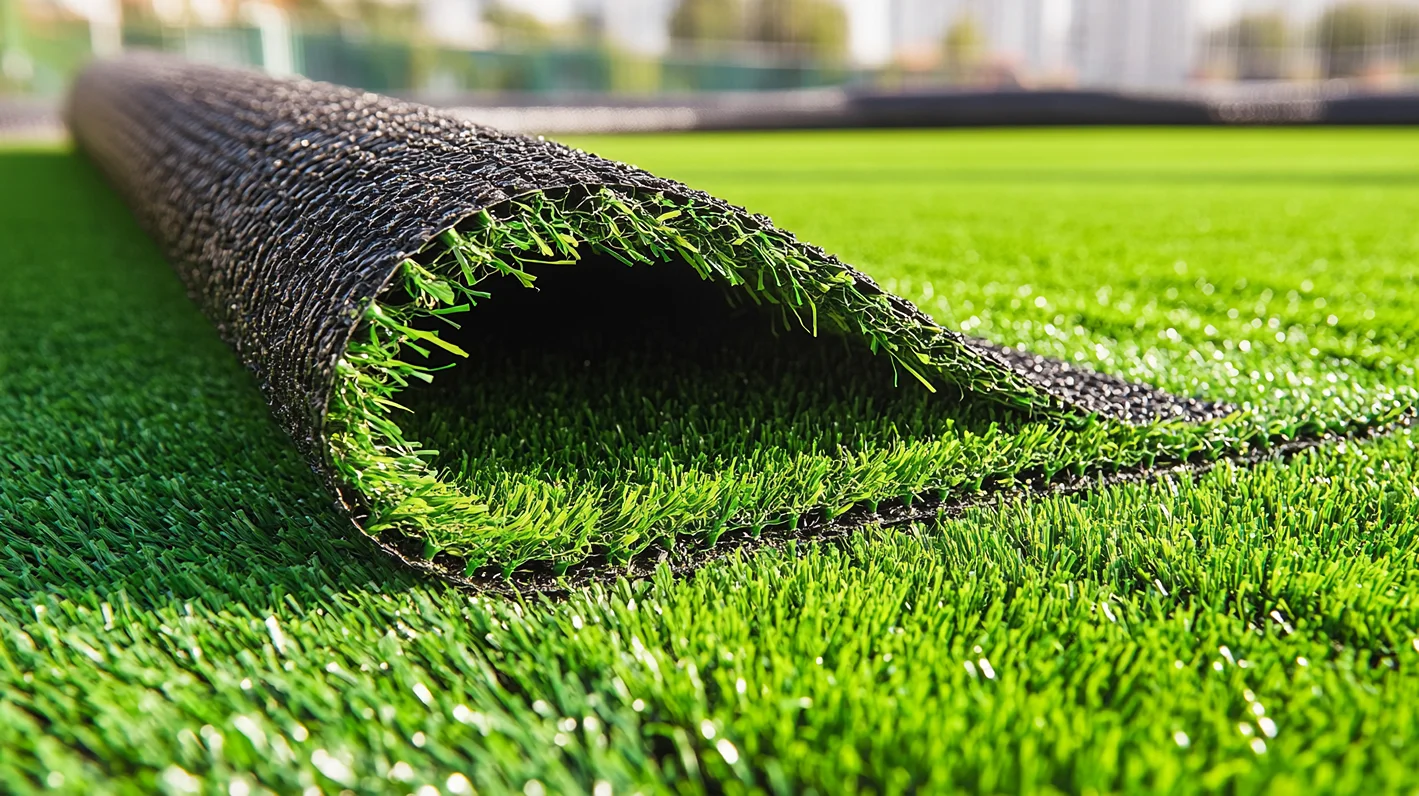
When homeowners and business owners consider artificial turf installation, the first question is almost always about cost. The investment typically ranges from $8 to $18 per square foot installed, though this varies significantly based on material quality, site preparation requirements, and project scope. Understanding these pricing fundamentals helps you budget accurately and avoid surprises down the road.
The wide price range reflects real differences in quality and longevity. Entry-level turf products at the lower end of the spectrum may cost $5 to $8 per square foot for materials alone, while premium options with advanced drainage, realistic blade patterns, and longer warranties can reach $12 to $15 per square foot before labor. Installation labor generally adds another $3 to $6 per square foot, depending on site complexity and regional rates.
For a typical 500-square-foot residential lawn in Pawleys Island, you might expect a total investment between $4,000 and $9,000. Larger commercial projects or athletic fields can scale to $20,000 or more, but benefit from economies of scale that reduce the per-square-foot cost. The key cost drivers include turf fiber type (polyethylene, polypropylene, or nylon blends), infill material quality, base preparation depth, and drainage infrastructure.
One often-overlooked factor is the lifespan calculation. Quality artificial turf installation lasts 15 to 20 years with minimal maintenance, making the annualized cost surprisingly competitive with natural grass when you factor in water bills, fertilizer, mowing equipment, and ongoing lawn care expenses.
Material and Labor Cost Breakdown
Breaking down the total cost into its components helps you understand where your investment goes and where you might adjust your budget. Material costs generally account for 50 to 60 percent of the total project expense, while labor and site preparation make up the remainder.
Turf materials themselves vary widely. Economy polyethylene turf runs $2 to $4 per square foot, mid-grade options with better drainage and UV protection cost $5 to $8 per square foot, and premium products with antimicrobial treatments and multi-toned blades range from $9 to $12 per square foot. The infill material, which provides cushioning and keeps blades upright, adds another $0.50 to $2 per square foot depending on whether you choose silica sand, crumb rubber, or advanced alternatives like coated sand or organic infill.
The base layer is critical for long-term performance. Professional installations require a compacted aggregate base, typically 3 to 4 inches deep, which costs $1 to $2 per square foot including materials and grading. This base ensures proper drainage and prevents settling that can create uneven surfaces over time.
Labor costs reflect the skill required for quality installation. Site preparation, including removal of existing grass or landscaping, grading for drainage, and compacting the base, typically requires one to two days for a residential project. Turf installation itself involves precise cutting, seaming, securing edges, and distributing infill, adding another one to two days. Experienced installers charge $50 to $100 per hour in the Pawleys Island area, with total labor for a 500-square-foot project ranging from $1,500 to $3,000.
Additional materials like weed barrier fabric, edge restraints, seaming tape, and adhesive add roughly $0.75 to $1.50 per square foot. These components are not optional; they ensure your turf stays in place and looks great for years. Skipping or substituting inferior materials is a common way contractors reduce bids, but it compromises long-term results.
Regional Factors Affecting Costs in Pawleys Island
Location plays a significant role in artificial turf installation pricing, and Pawleys Island presents some unique considerations. The coastal South Carolina climate, soil composition, and seasonal demand patterns all influence what you’ll pay for quality turf installation.
Pawleys Island’s sandy soil is actually advantageous for turf installation. Unlike clay-heavy soils common inland, sandy coastal soils drain naturally and require less excavation and base modification. This can reduce site preparation costs by 10 to 20 percent compared to projects in areas with poor drainage. However, the same sandy soil can shift over time, making a properly compacted aggregate base even more critical to prevent settling and maintain a level surface.
The coastal humidity and salt air also affect material selection. Turf products rated for coastal environments, with enhanced UV protection and corrosion-resistant components, cost slightly more upfront but significantly outperform standard options in this climate. Many local installers have learned through experience that bargain turf fades noticeably within three to five years in the intense coastal sun, making the premium options a better value over the product’s lifespan.
Seasonal demand in the Pawleys Island area peaks from late winter through early summer, when property owners prepare for the vacation season and warmer weather. Booking turf installation during these months may mean slightly higher prices and longer lead times. Fall and early winter often bring more availability and occasionally better pricing, though the milder South Carolina winters still allow year-round installation.
Local labor rates reflect the region’s growing demand for quality landscaping services. Skilled installers familiar with coastal conditions command premium rates, but their experience with drainage, salt tolerance, and hurricane-resistant anchoring methods delivers value that justifies the cost. Projects in nearby communities like Litchfield Beach and Murrells Inlet face similar cost factors.
Getting an Accurate Estimate for Your Project
Transparent budgeting requires accounting for costs that aren’t always obvious in initial estimates. Being aware of these potential expenses helps you plan realistically and choose the right contractor.
Drainage solutions are often necessary, especially in coastal areas like Pawleys Island where heavy rainfall and high water tables are common. If your property doesn’t drain naturally, you may need to install French drain installation systems, catch basins, or enhanced base drainage layers. These additions can add $1,500 to $5,000 to your project cost, but they’re essential for preventing water pooling that damages turf and creates unusable muddy areas.
Removal and disposal of existing landscaping also adds expense. Removing natural grass, including stripping sod and hauling it away, costs $0.50 to $2 per square foot depending on access and disposal fees. If your property has established plantings, irrigation systems, or hardscaping that must be removed or relocated, budget an additional $500 to $2,000 for this work.
Permits and inspections are less common for residential turf installation but may apply to commercial projects or properties in planned communities with strict landscaping requirements. Permit fees typically range from $50 to $300 when required. Always verify local requirements before starting work.
Irrigation removal or capping is necessary if you’re replacing a traditional lawn with artificial turf. While this eliminates ongoing watering costs, the initial work to cap lines and remove sprinkler heads costs $200 to $800 depending on system complexity. Some property owners choose to leave zones for garden beds or planters, which requires selective system modification rather than complete removal.
Finally, budget for optional enhancements that improve enjoyment of your new turf. Landscape lighting installation that highlights your lawn in the evening adds $500 to $3,000. Borders using pavers, retaining walls, or decorative edging enhance visual appeal for $300 to $1,500. A fire pit installation or seating area adjacent to your new turf creates an inviting outdoor living space.
Understanding these potential costs upfront prevents budget surprises and helps you make informed decisions about where to invest for the best long-term value. Quality contractors will discuss these factors during the estimate process, providing transparent pricing that builds confidence in your investment.
Long-Term Value and Return on Investment
Understanding the cost factors is one thing, but getting a reliable, detailed estimate specific to your property is the critical next step. The quality of your estimate directly influences both your budget planning and your satisfaction with the final result.
Start by identifying contractors who specialize in turf installation and have a solid portfolio of completed projects in your area. Request on-site evaluations rather than phone estimates. A proper assessment requires measuring your space, evaluating soil conditions, noting drainage patterns, and discussing your specific needs such as pet use, play areas, or putting greens.
During consultations, ask detailed questions about the materials they recommend and why, the specific preparation work included in their bid, warranty coverage for both materials and installation, and their typical project timeline. Quality contractors will explain their process thoroughly and provide itemized estimates that break down material costs, labor, site preparation, and any additional services.
Watch for red flags such as estimates significantly lower than others without clear explanation, pressure to sign immediately, or reluctance to provide references from recent projects. A trustworthy contractor will welcome your questions and provide transparent answers about every aspect of the project.
For property owners throughout Pawleys Island, Murrells Inlet, and surrounding coastal communities, professional landscape services that include artificial turf installation can transform outdoor spaces into low-maintenance, year-round green areas. When you’re ready to move forward with your project, a detailed consultation will help clarify your options and establish realistic expectations for both investment and outcome. Reach out through our contact page to schedule an evaluation and receive a customized proposal tailored to your property’s specific conditions and your vision for the space.